




Choosing Granite Slabs in Pooler for Lasting Style
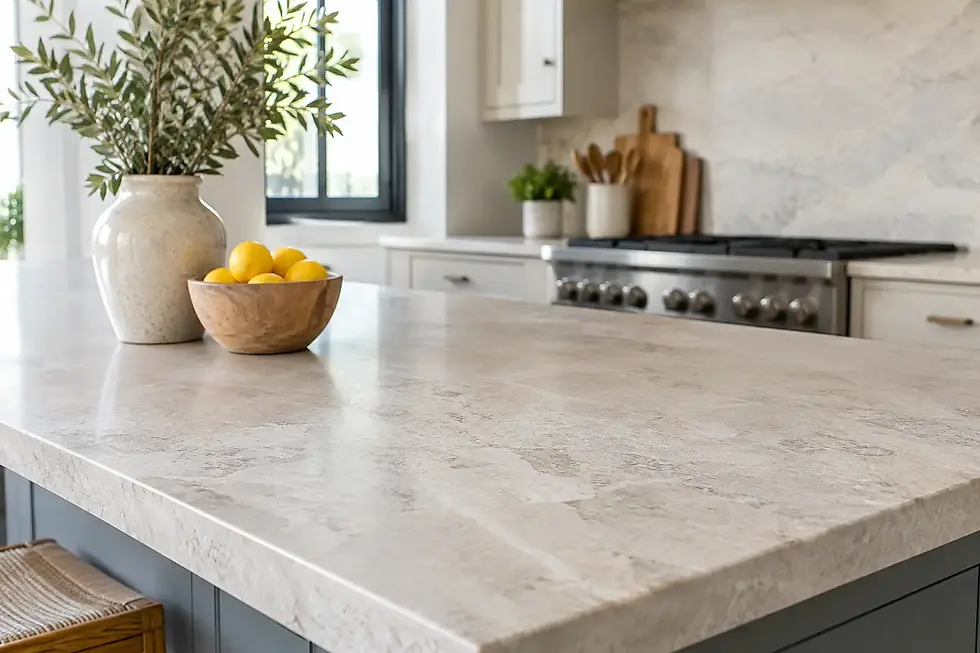
A kitchen island is often the first surface people notice when they enter a home. It catches the morning light, holds the groceries, hosts the homework, and becomes the natural gathering place when friends arrive. For homeowners choosing granite slabs in Pooler, that makes the decision about color, movement, and finish much more than a countertop purchase. It is a choice about how a room will feel and perform for years.
Granite has earned its place in well-designed homes because it offers both visual presence and everyday strength. Every slab is formed by nature, which means the veining, mineral deposits, and tonal variation are uniquely its own. No printed pattern can duplicate that character. When you select the exact slabs for your project, the finished surface feels personal from the start.
Why Granite Continues to Belong in Beautiful Homes
Granite is an igneous natural stone, valued for its density, durability, and expressive appearance. It can be dramatic, with sweeping white veining across a dark ground, or quietly refined in soft grays, creams, blacks, and warm earth tones. That range gives it lasting flexibility. A pale granite can bring brightness to a coastal kitchen, while a darker selection can anchor light cabinetry with confidence.
Its practical strengths matter just as much. Granite handles heat well, resists everyday wear, and stands up to the pace of an active kitchen when it is properly sealed and cared for. It is a strong choice for islands, perimeter countertops, bar tops, vanities, and other interior surfaces that need to look considered without feeling delicate.
Natural variation is part of the appeal, but it is also the reason granite should be selected in person. A small sample can suggest a color, yet it cannot show the full scale of a slab's movement or the areas where a fabricator may place a seam, sink cutout, or waterfall edge. Seeing the whole stone changes the conversation.
What to Look for When Viewing Granite Slabs in Pooler
Start with the room, not a single color chip. Bring cabinet samples, flooring, tile, paint swatches, and photos of the space if you have them. Granite reacts to surrounding materials. A gray slab may look cool beside bright white cabinetry but warmer next to natural oak. A cream background can read soft and traditional in one setting, then crisp and current when paired with matte black hardware.
Lighting deserves equal attention. Pooler homes often have generous daylight, and that can reveal the depth and crystalline detail that make granite so compelling. It can also alter the way undertones appear from morning to evening. View the slab from different angles and step back several feet. Look closely, then look at it as you would see it once installed.
Choose the Slab, Not Just the Name
Stone names are useful references, but they do not guarantee a perfectly repeated look. Granite is not manufactured in identical batches. Two slabs from the same material family may share an overall palette while showing different veining, grain size, or contrast.
That is why hand-selecting slabs is worth the time. Ask to see the pieces that will be reserved for your project, especially if you need a large island, bookmatched feature wall, or connected countertop runs. For a room with multiple surfaces, choosing slabs from the same bundle can help maintain a cohesive visual story while preserving the individuality of natural stone.
Consider Movement at Full Scale
A highly active granite can become the centerpiece of a kitchen. Broad veining and bold mineral patterns bring energy to simple cabinetry and restrained backsplashes. In a quieter room, a more uniform granite may offer texture without competing with patterned tile, statement lighting, or richly grained wood.
Neither approach is universally better. It depends on what else is happening in the room. If the cabinets are detailed, the flooring is varied, and the backsplash has movement, a calmer slab often creates balance. If the architecture is clean and minimal, a dramatic granite can give the space its signature.
Design Details That Change the Final Look
The edge profile, finish, and layout all shape how granite reads after installation. A simple eased edge feels clean and contemporary. A more substantial profile can complement traditional millwork or a formal bath vanity. These decisions may seem small beside the slab itself, but they influence whether the final surface feels light, classic, architectural, or substantial.
Most polished granite reflects light and highlights the stone's color depth. Honed finishes have a softer, lower-sheen appearance that suits relaxed, organic interiors. The right finish depends on the material and the look you want, so it is helpful to view finish options directly rather than deciding from photographs alone.
Layout deserves a practical discussion with your fabricator. The best slab placement considers the strongest areas of movement, the direction of veining, seam locations, and the dimensions of the space. A waterfall island, for example, may call for carefully aligned stone so the visual flow continues from the countertop down the side. Large-format designs benefit from planning before cuts are made.
Granite Performance: What Daily Care Really Requires
Granite is durable, not maintenance-free. Most granite countertops benefit from sealing, which helps reduce the stone's absorption and gives you more time to wipe up spills. The frequency depends on the particular granite, the sealer used, and how the surface is used. A knowledgeable fabricator can advise on the appropriate schedule after installation.
For daily cleaning, a soft cloth, warm water, and a pH-neutral stone cleaner are generally enough. Avoid harsh abrasives, aggressive degreasers, and acidic cleaners that are not intended for natural stone. Use cutting boards for food preparation, wipe spills promptly, and place trivets under extremely hot cookware when practical. Granite is heat resistant, but sensible habits protect both the stone and the surrounding cabinetry.
In bathrooms, granite brings the same lasting quality to vanities, tub decks, and accent surfaces. It handles the routines of a busy household beautifully, though standing water and cosmetics should still be cleaned up rather than left on the surface. Good care is simple care: protect the finish, clean gently, and let the stone do what it does best.
A Better Way to Choose Natural Stone
Online images are useful for gathering ideas, but they are not a substitute for standing in front of a full slab. Screens can shift color, flatten texture, and conceal the small mineral details that make one selection feel extraordinary. The right slab is often the one that stops you in your tracks when you see it at scale.
A public stone gallery gives homeowners, designers, and fabrication professionals room to compare options honestly. You can place samples beside one another, consider quiet and dramatic choices side by side, and determine what works with the project rather than what looked good in a thumbnail. This hands-on process is especially valuable for granite, where every slab has its own composition.
At Garpa Co., the experience centers on helping clients hand-pick natural stone from a curated inventory of full slabs. That guidance can be useful whether you arrive with a complete design plan or only the beginning of an idea. The goal is not to rush a selection. It is to find a stone that belongs in the space.
When Granite Is the Right Choice
Granite is a strong fit for homeowners who want a surface with natural character and everyday resilience. It works particularly well when you value an individual look, need practical kitchen performance, or want an island that feels like a permanent design feature rather than a passing trend.
There are times another natural stone may better suit the project. Marble offers a softer, more classic look but generally requires greater comfort with etching and patina. Quartzite can provide dramatic movement and exceptional hardness, though availability and price vary by selection. Soapstone offers a deep, matte presence with its own aging character. The best choice is the one that matches your visual priorities, lifestyle, and willingness to care for it.
For many Pooler kitchens and baths, granite offers the right balance: authentic stone, meaningful durability, and a surface that will never be duplicated in another home. Bring the pieces that inspire your room, take your time with the slabs, and choose the one that makes the entire design feel settled. A rock is forever, and the right one should feel like yours.


Comments